Before 'cocktail' became a global shorthand for mixed drinks, its name might have been a mispronunciation of a French eggcup, a reference to barrel dregs, or even a term for a docked horse's tail. The term received a clear, early 19th-century printed definition, yet its etymological roots remain hotly contested across several colorful, unproven theories. This persistent debate suggests that the allure of a definitive historical narrative often yields to the richer, more engaging tapestry of competing cultural explanations.
More Than Just a Drink: Defining the 'Cocktail'
An early 19th-century definition, recorded in 1806, established the cocktail's core components: a stimulating liquor composed of spirits, sugar, water, and bitters. This precise framework provided clarity for the drink itself, yet the origin of its name remains obscure. The modern understanding of a cocktail, often a complex mixed drink, contrasts sharply with the unresolved history of its appellation.
The Competing Etymologies: From Eggcups to Horse Tails
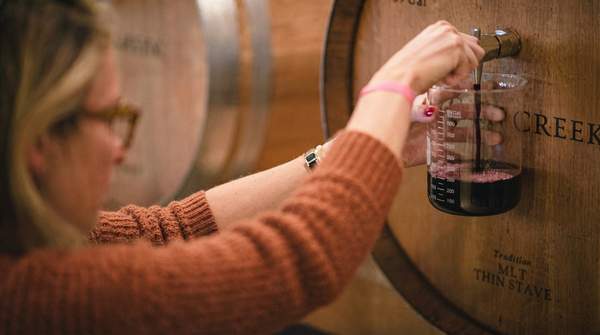
Several theories compete to explain the origin of 'cocktail,' none definitively proven. One theory posits a mispronunciation of the French 'coquetier,' or eggcup, suggesting a linguistic shift from vessel to contents, according to Tastecocktails. Another links it to 'cock tailings,' referring to mixtures of dregs from nearly empty barrels, where 'cock' denoted the spigot, Tastecocktails reports. A third, more surprising theory connects 'cocktail' to the 17th-century term for horses with docked tails, implying an adulterated spirit, as detailed by Tastecocktails. These diverse theories suggest the word likely emerged from a confluence of cultural practices and linguistic evolution, not a single invention.
Why the Mystery Endures: The Allure of an Unsolved Past
The absence of a singular origin for 'cocktail' persists because language evolves organically, creating unresolvable etymological puzzles. This lack of definitive proof allows collective imagination to fill historical voids with compelling narratives. As Tastecocktails illustrates with its multiple unproven theories, for some cultural touchstones, the story of origin becomes more enduring than any definitive fact, adding to a term's mystique.