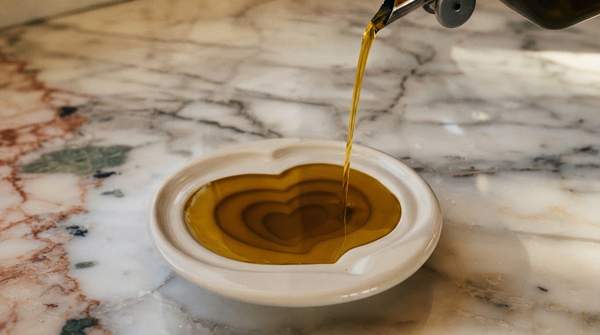
Selecting the right olive oil can elevate a dish from good to great, but the variety of labels on the grocery store shelf can be confusing. The key to making a confident choice lies in understanding the official grades, which are defined by production methods and quality standards that directly influence flavor and the best culinary use for each oil. The highest quality, U.S. Extra Virgin Olive Oil, is prized for its robust flavor in uncooked applications, while other grades like "Olive Oil" are suited for cooking where a more neutral taste is desired.
Understanding Olive Oil Grades
In the United States, olive oil is categorized into specific grades based on standards set by the U.S. Department of Agriculture (USDA). These grades are determined by factors including how the oil is extracted, its chemical composition, and its flavor profile. The top tier is U.S. Extra Virgin Olive Oil, which the USDA defines as having "excellent flavor and odor" with a complete absence of taste defects. To meet this standard, the oil must have a free fatty acid content of no more than 0.8 grams per 100 grams.
This premium quality is achieved through a production method known as cold extraction, where the oil is naturally pressed from the olives without the use of heat or chemicals. This process ensures the oil retains the natural vitamins, antioxidants, and vibrant taste of the fruit. In contrast, lower grades of olive oil are produced differently. Olive-pomace oil, for instance, is extracted from the leftover pulp using solvents and then heavily refined. Other common oils, often labeled simply as "Olive Oil," are typically a blend of oil that has been refined to remove defects and a smaller amount of virgin olive oil added back for flavor.
Olive Oil Grades at a Glance: Your Culinary Decision Guide
This guide compares the main types of olive oil you'll find, translating official standards into practical advice for your kitchen.
| Grade | Production Method | Key Standard (Acidity) | Flavor Profile | Best Culinary Uses |
|---|---|---|---|---|
| U.S. Extra Virgin Olive Oil | Naturally extracted from the first press of olives without heat or chemicals, a process known as cold extraction. | Free fatty acid content must not exceed 0.8 grams per 100 grams. | Excellent flavor and odor with zero defects. Profiles range from fruity and bitter to a peppery finish. | Ideal for uncooked applications like salad dressings, dipping, and finishing dishes to preserve its bold flavor. |
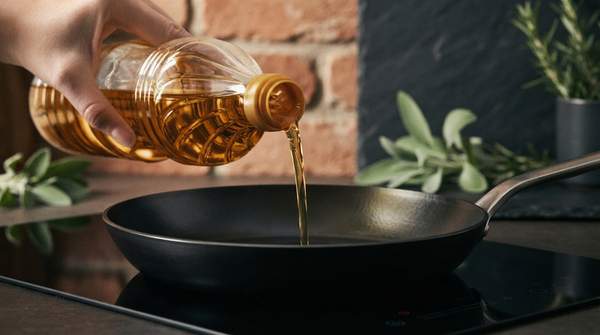
| Olive Oil (often sold as 'Pure' or 'Light') | A blend of refined olive oil (which has been treated to remove defects) and a small amount of virgin olive oil. | The refining process results in a lower acidity and milder flavor than virgin oils. | A much milder, more neutral flavor and lighter color compared to extra virgin olive oil. | A good all-purpose cooking oil, especially for sautéing or roasting where a strong olive flavor is not desired. |
| Olive-Pomace Oil | Extracted from the leftover olive pulp (pomace) using chemical solvents and heat, then refined. | This is the lowest grade of olive oil intended for consumption. | Lacks the distinct flavor, aroma, and health benefits found in virgin olive oils. | Primarily used in industrial food service settings; not recommended for home cooking. |