
Santiago Vargas
Editorial byline
Santiago Vargas is an editorial byline for Tastes Good Magazine, with a focus on Global City Food Guides, The History and Craft of Spirits, Street Food Vendor Profiles. Biographical credentials and external profiles are published only after verification.
Learn more about our editorial process and use of automation in our AI & Automation disclosure.
Coverage Areas
Latest Articles
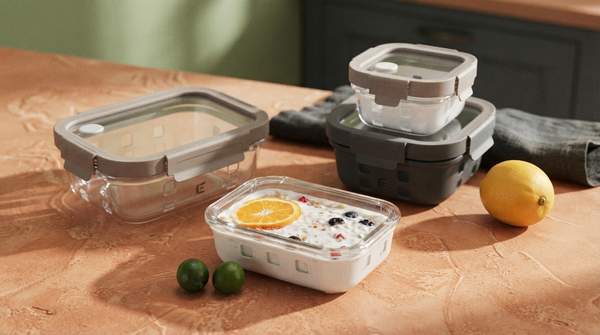
Glass, Steel, or Silicone? Matching Your Food Storage Container to the Food and the Task
Choosing the right food storage container material—glass, stainless steel, or silicone—depends on the food type and intended use. Each material offers unique benefits for safety, durability, and portability, making a mix ideal for most kitchens.
Nov 9, 2026 · 5 min read
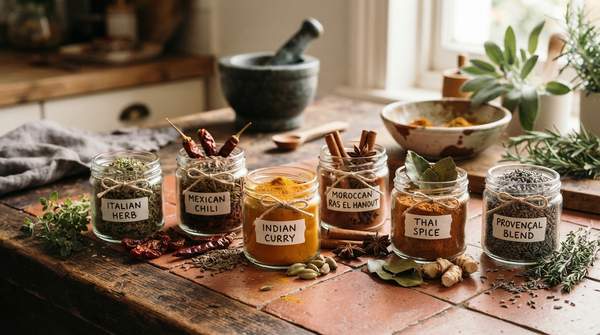
Mix Six Global Spice Blends at Home: A Decision Guide for Everyday Cooking
Learn to create six versatile global spice blends at home in just ten minutes, covering Italian, Mexican, South African, Mediterranean, Indian, and an Everyday mix. This guide helps you master flavors, ensure freshness, and elevate your everyday cooking with DIY spice combinations.
Nov 8, 2026 · 6 min read
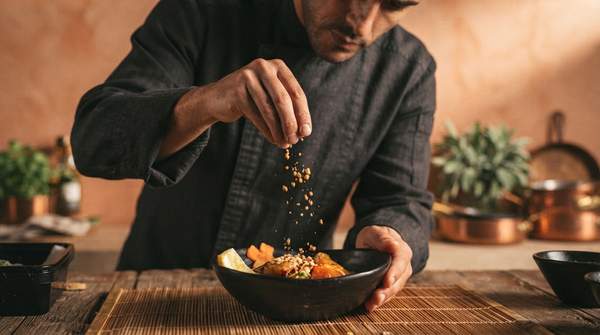
Why Crystal Shape, Not Just Price, Should Decide Which Salt You Reach For
The choice of culinary salt depends on its physical properties like crystal size, shape, and mineral content, which dictate how it dissolves and impacts food. Understanding these mechanics allows cooks to select the right salt for specific tasks, from brining and baking to finishing dishes, ensuring optimal flavor and texture.
Nov 8, 2026 · 5 min read
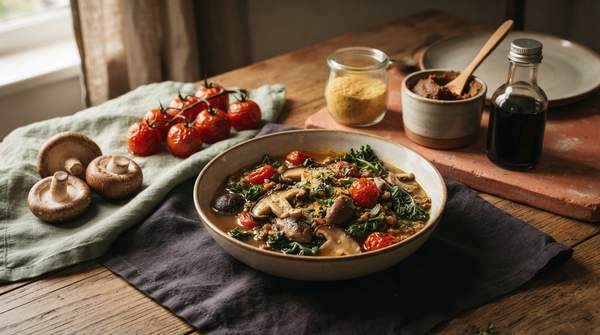
Five Plant-Based Ingredients That Deliver Real Umami — and How to Use Each One
Plant-based meals can lack the savory depth of meat or cheese, but umami-rich ingredients can easily fill that gap. Discover five key ingredients like mushrooms, tomatoes, nutritional yeast, miso, and soy sauce that deliver satisfying umami and how to use them effectively.
Nov 7, 2026 · 4 min read

Which Olive Oil Should You Use? A Cook's Guide to Extra Virgin, Virgin, and Refined
Choosing the right olive oil grade—extra virgin, virgin, or refined—depends on your cooking method, desired flavor, and health priorities. Understand how processing affects flavor, heat stability, and beneficial compounds to select the best oil for finishing, sautéing, or high-heat frying.
Nov 7, 2026 · 4 min read

Chef's Table or Fine Dining Room? How to Pick the Right Seat for Your Occasion
Choosing between a chef's table and standard fine dining depends on whether you desire immersion in the kitchen's action or elegant seclusion. A chef's table offers an intimate, interactive culinary spectacle, while fine dining provides privacy, refined service, and menu choice.
Nov 7, 2026 · 5 min read

Three Non-Alcoholic Spirits That Actually Belong Behind Your Bar, and What to Mix With Them
Discover three essential non-alcoholic spirits—a tequila alternative, a versatile botanical-citrus spirit, and an Aperol-style aperitif—that can elevate your home bar. Learn their flavor profiles, ideal cocktail pairings, and mastering mocktail techniques for sophisticated drinks.
Nov 6, 2026 · 5 min read
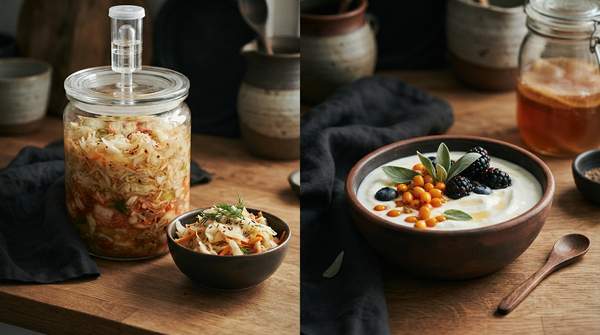
Two Ways Fermentation Makes Food More Nutritious: Unlocking Minerals and Building New Vitamins
Fermentation enhances food nutrition through two key mechanisms: degrading anti-nutrients to release minerals and synthesizing new vitamins. Understanding these distinct pathways helps consumers choose fermented foods for targeted nutritional benefits.
Nov 6, 2026 · 5 min read
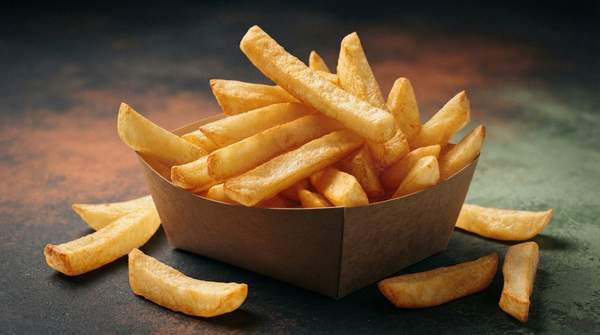
Crispy Every Time: The Three Scientific Rules That Fix Soggy Fries, Soft Skin, and Pale Roasts
Achieve perfectly crispy food by mastering three scientific rules: rapid surface moisture removal, building a rigid structure with starches or coatings, and applying sufficient heat for the Maillard reaction. Understanding these principles helps troubleshoot and fix common issues like soggy fries, soft skin, and pale roasts.
Nov 6, 2026 · 5 min read
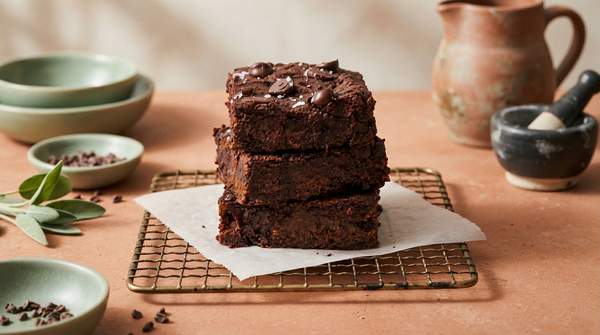
Which Plant Protein for Your Bake? A Functional Guide to Structure, Moisture, and Egg Replacement
Choosing plant proteins for baking is about function, not just nutrition. This guide helps home bakers select vital wheat gluten, pea, lentil, chickpea, and rice proteins based on their specific roles in structure, moisture, and egg replacement to achieve desired baking outcomes.
Nov 5, 2026 · 6 min read
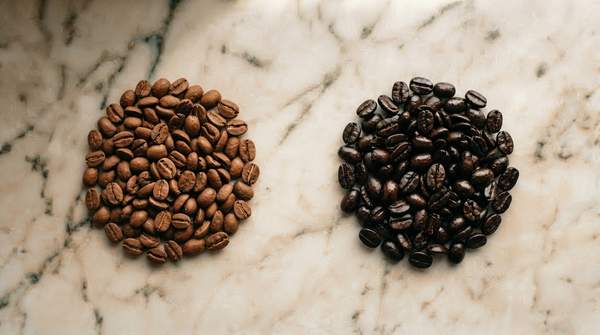
Light, Medium, or Dark? A Home Brewer's Guide to Choosing the Right Coffee Roast
Choosing the right coffee roast—light, medium, or dark—depends on your desired flavor profile, acidity preference, and brewing method. Understanding the chemistry behind roasting helps home brewers make confident selections for a better cup.
Nov 5, 2026 · 5 min read
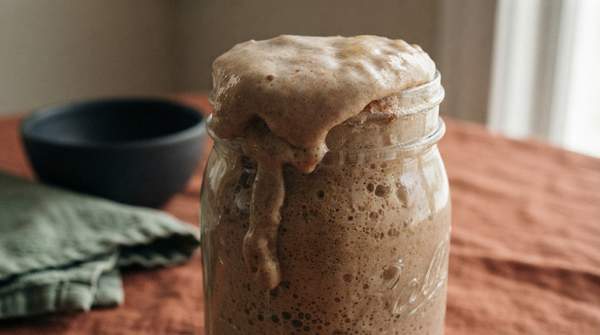
How Starter Hydration Shapes Your Sourdough: Liquid, Regular, and Stiff Explained
Starter hydration levels—liquid, regular, or stiff—profoundly affect sourdough yeast activity, dough handling, and bread flavor. Understanding these differences and adjusting final dough hydration based on flour type and feel leads to more intuitive sourdough baking.
Nov 1, 2026 · 5 min read

Building Your Home Bar: The Four Modifier Categories to Buy First
Upgrade your home cocktails by prioritizing four key modifier categories—vermouth, amaro, liqueurs, and bitters—over just base spirits. Learn which category to buy first to enhance your drink-making repertoire.
Nov 1, 2026 · 4 min read

Sharpening a Knife Means Building a New Apex — Here's the Principle and When to Do It Yourself
Sharpening a knife means grinding its bevels to form a new, fine apex, a straight line where the blade's sides meet. Understanding this principle helps distinguish sharpening from honing and decide when to maintain knives at home versus seeking professional services.
Oct 31, 2026 · 5 min read
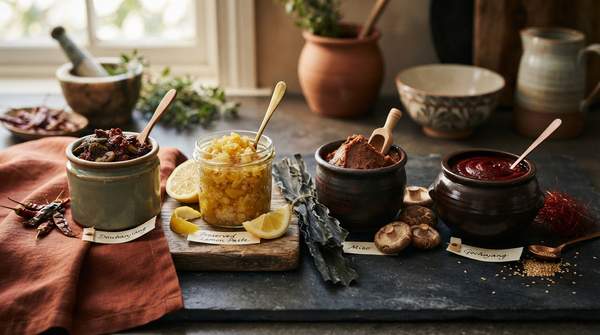
Four Fermented Condiments Worth Your Pantry Shelf: Doubanjiang, Preserved Lemon Paste, Miso, and Gochujang, Compared
This guide compares four fermented condiments—Doubanjiang, Preserved Lemon Paste, Miso, and Gochujang—explaining their distinct flavors, textures, and culinary applications to help home cooks enhance their dishes. Learn how to select the right condiment for spicy depth, briny sharpness, savory umami, or sweet heat.
Oct 31, 2026 · 4 min read
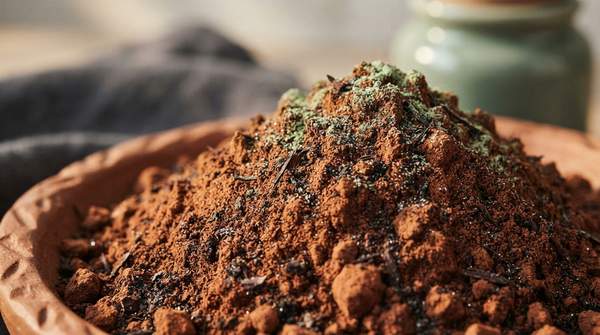
Sour or Bitter? Grind Size Is the First Dial to Turn
When your home-brewed coffee tastes sour or bitter, it indicates under- or over-extraction, respectively. The first and most crucial adjustment to correct these flavor issues is the grind size.
Oct 31, 2026 · 4 min read
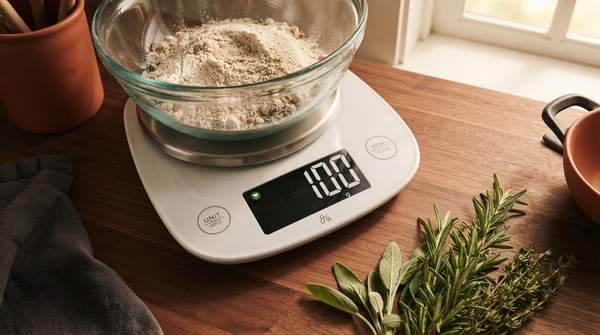
The Best Kitchen Scale for Baking Isn't One Scale: A Trade-Off Guide to Precision, Capacity, Timers and Cleaning
No single kitchen scale is best for all baking tasks; instead, choose based on trade-offs between capacity, precision, auto-off timers, and ease of cleaning. This guide helps match scale features to your specific baking needs for improved consistency and workflow.
Oct 30, 2026 · 5 min read
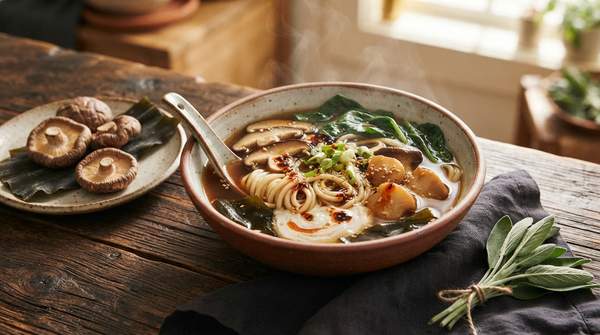
Pair Glutamate with Guanylate: The Science of Building Real Umami in Plant-Based Cooking
Achieve deep savory flavor in plant-based cooking by combining glutamate-rich ingredients like miso and kombu with guanylate-rich sources such as dried mushrooms. This "umami synergy" creates a multiplicative effect, making dishes taste genuinely meaty and satisfying.
Oct 30, 2026 · 4 min read
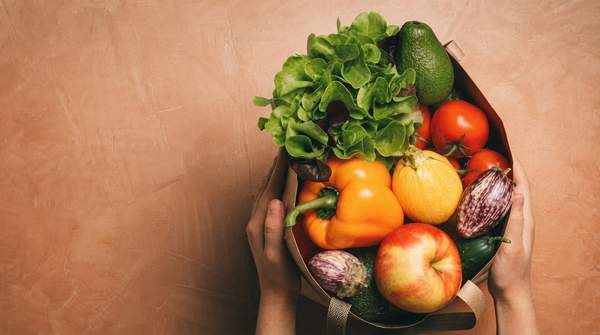
Prebiotics vs. Probiotics: What They Are and How to Pair Them on Your Plate
Prebiotics are fibers that feed beneficial gut bacteria, while probiotics are the live microorganisms themselves. Pairing these common foods in meals can significantly support gut health.
Oct 30, 2026 · 4 min read
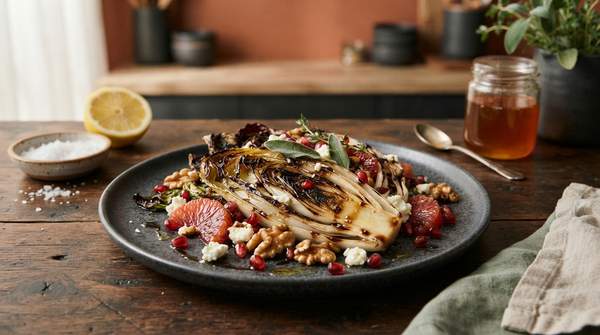
Bitterness, Balanced: Why We Taste It and How Salt, Sweet, and Sour Tame It
Bitterness, an evolutionary warning signal, is a vital component for depth and complexity in modern cuisine. Instead of eliminating it, learn to balance bitter flavors using salt, sweetness, and sourness for more sophisticated dishes.
Oct 29, 2026 · 4 min read