Here's the short answer before we dive in: if you love bright, fruity, tea-like coffee and you brew with a pour-over, start with a light roast. If you want chocolate, nuts, and balance, go medium. And if you crave a bold, low-acid, heavy-bodied cup—especially from a French press or espresso maker—dark roast is your lane. The choice isn't guesswork; it's chemistry, and understanding a little of it will make you a far more confident buyer.
Roasting is what turns a hard, grassy green coffee bean into something fragrant and flavorful—green beans have essentially none of the character we associate with coffee, as the National Coffee Association's About Coffee guide explains. Once roasted, though, the roast level becomes a dial the drinker can turn. As the team at Verena Street Coffee summarizes it, as roast level increases, acidity decreases, body increases, bitterness potential increases, and origin clarity decreases. That one sentence is the map for everything below.
Light Roast: Bright, Aromatic, and Origin-Focused
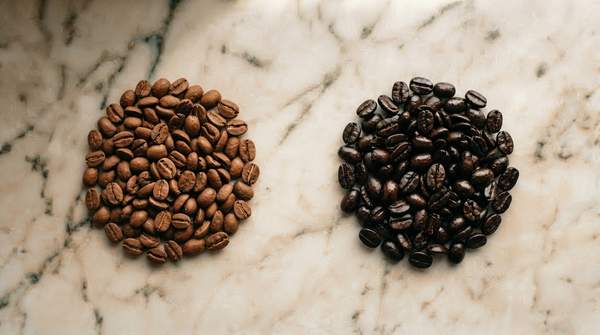
Light roasts are roasted the shortest time, stopping early in the process, and they look the part: light brown with a dry, matte surface because the bean's oils haven't yet broken through to the skin. What that restraint preserves is the coffee's origin character—whatever the soil, altitude, and processing gave the bean still shows up in your cup. Stone Creek Coffee puts it simply: light roasts highlight the coffee's origin characteristics.
In the cup, that translates to high acidity—the lively, almost sparkling quality coffee people call brightness—together with fruity, floral, and citrus notes. I think of a good light roast as the most transparent version of a coffee: you're tasting the farm, not the fire.
The "why" comes down to timing. Much of the flavor development in light-to-medium roasts is driven by Maillard reactions, the same chemistry that gives bread its crust. As Headcount Coffee explains, Maillard pathways create flavors like bread crust, toasted grain, honey, cocoa, and warm spices, and they're responsible for much of the body and sweetness in lighter roasts. Importantly, Maillard reactions don't produce caramel—they produce melanoidins, nitrogen-rich molecules that give coffee its color and its grounding flavors. Because a light roast stops early, those reactions have done their work without overwhelming the delicate origin notes on top.