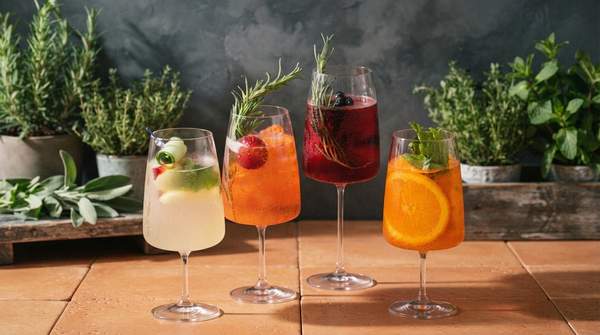
The single most useful decision you can make before buying a non-alcoholic spirit is this: are you trying to recreate a classic cocktail as faithfully as possible, or are you open to something that never had an alcoholic twin? Every serious review of the category lands on the same split. Some bottles are built as direct replacements—botanical distillates engineered to echo gin, whiskey, tequila, or rum—while others are standalone creations meant to be judged on their own terms. Pick the wrong type for the drink in your head and you'll be disappointed, no matter how good the bottle is.
Understanding Non-Alcoholic Spirits: Direct Replacements vs. Unique Botanicals
Direct replacements are the more familiar path. As the editors of The Good Trade describe them, these are botanical distillates that "replicate gin, whiskey, tequila, or rum flavor profiles for mocktails or sipping neat." You already know what a bourbon and Coke or a margarita is supposed to taste like, so a bottle in this lane gives you a plug-and-play entry point into drinks you've made a hundred times.
But that familiarity cuts both ways. All The Bitter, a producer of non-alcoholic bitters that also advises bartenders building non-alcoholic programs, cautions that while a non-alcoholic rum "might echo its alcoholic counterpart, it's not the same thing, potentially leading to a gap between expectation and experience." If you serve a guest a non-alc Old Cuban—Ritual's rum alternative is the bottle All The Bitter singles out for exactly that drink—most people will enjoy it, but it won't be identical, and calibrating your expectations is half the battle.
Unique botanical spirits take the opposite approach. Rather than chasing a bourbon or gin ghost, they're blended to be interesting in their own right. That freedom means they won't slot neatly into your existing recipes; instead, they invite you to build new drinks around them. We'll map both categories to specific cocktails in the framework below.
Direct Replacements: Crafting Classic Mocktails
When a bottle is explicitly designed to mimic a specific spirit, classic recipes are where it earns its shelf space. Sarah Kate, editor of Some Good Clean Fun and an International Wine and Spirit Challenge No/Low Alcohol judge who has tested hundreds of non-alcoholic wines and spirits since 2020, reports her bourbon and whiskey picks through a simple three-part gauntlet: taste on its own, taste over ice, and taste mixed with Coke.
Her top overall pick for 2025 is Free Spirits' Spirit of Bourbon, which she recommends broadly and especially for bourbon fans. For seasonal mixing, she highlights Spiritless Spiced Kentucky 74, a cinnamon-spun version of the brand's alcohol-free Kentucky 74, noting that its sweet cinnamon heat combines with expected bourbon flavors of oak and caramel and "works really well in mocktails with apple, caramel, pumpkin or other seasonal flavours."
On the agave and rum side, All The Bitter's take is blunt and encouraging: a margarita made with non-alcoholic tequila "absolutely slaps," and an Old Cuban built on Ritual's rum alternative is a guest-pleaser. If your goal is an Old Fashioned, a whiskey sour, or a margarita that tastes like the drink you remember, direct replacements are the category to shop.
Unique Botanicals: Exploring New Flavor Experiences
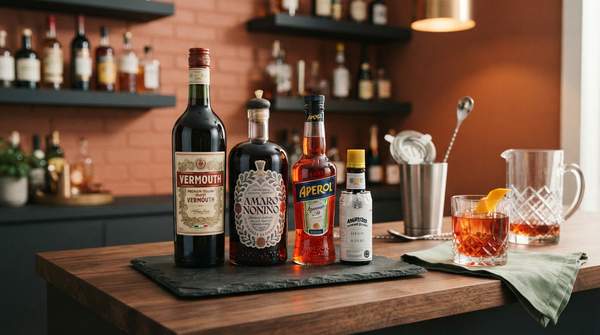
The other half of the shelf doesn't want to imitate anything. These are spirits built from botanical, herbal, and spice blends where the point is a flavor you can't get from any liquor. The Good Trade's editors group related products—herbal, citrusy, or spiced bitters and aperitifs that echo vermouth or amaro—into the same non-replicating family, intended for pre-dinner sipping and creative mixing rather than one-to-one swaps.
Because nothing is being mimicked, expectation stops working against you. There's no memory of "real" whiskey to compare against, which is precisely why this category rewards experimentation: a botanical-forward bottle wants to be the star of an original spritz or highball you invent for it, not a stand-in for gin. The trade-off is real, though. You give up the comfort of proven recipes and take on the work of learning each bottle's quirks. If you love the creative side of bartending, that's not a cost; it's the whole appeal.
Non-Alcoholic Spirit Selection Framework for Home Bartenders
Use this decision matrix to match your intended drink to the right category before you spend $35 on a bottle. The logic is straightforward: identify the cocktail first, ask whether it depends on a specific spirit's signature, and buy accordingly.
| Spirit Category | Key Flavor Profile | Recommended Cocktail Use | Considerations for Mixing |
|---|---|---|---|
| Direct replacements (gin, whiskey, tequila, rum styles) | Botanical distillates built to replicate a named spirit—oak, caramel, and cinnamon in the bourbon-style bottles; agave or molasses echoes elsewhere | Classic replicas: Old Fashioned, whiskey and Coke, seasonal bourbon mocktails, margaritas with non-alc tequila, Old Cuban with Ritual rum alternative | Expect a gap versus the original; the mimicry is close, not exact, and lacks alcohol's heat |
| Unique botanicals (standalone blends) | Distinct herbal, citrus, and spice profiles with no alcoholic counterpart | Original spritzes, invented highballs, pre-dinner drinks in the aperitif style | No template recipes; requires experimentation and an open mind to new combinations |
The framework resolves the core shopping question: if your target drink is a named classic, buy the direct replacement that names that spirit on the label. If your target is "something interesting I haven't tasted before," buy a unique botanical and build the drink around it.
Mastering Mocktails: Tips for Balance and Flavor
Why do non-alcoholic spirits behave differently in the glass? The answer is ethanol itself. Sarah Kate's assessment after years of tasting is that "ethanol is a big flavor carrier, so body and finish are hard to replicate, which is why NA whiskey shines best in mocktails rather than sipping neat." Alcohol contributes body, viscosity, warmth, and that familiar burn—and when it's absent, a mixed drink can read as thin or one-dimensional.
The practical response is to compensate deliberately. Sarah Kate suggests adjusting your ratios and reaching for ingredients like simple syrup or agave nectar to restore some of the missing body and warmth, and notes some producers use glycerin or natural thickeners in the bottle to improve mouthfeel. Sweetness alone won't get you there, so treat balance as its own task: pull back where the drink is cloying and add structure where it feels hollow.
Her other testing insight is worth internalizing: a bottle that's merely okay neat can still be excellent in a mixed drink, which is why evaluating these products in an actual cocktail build—her whiskey-and-Coke test—matters more than a neat sip. And before you buy, check the label: most non-alcoholic whiskey alternatives are 0.0% ABV, but some run up to 0.5%, comparable to kombucha.
Building Your Non-Alcoholic Home Bar: A Practical Decision
Home bartenders should prioritize selecting non-alcoholic spirits based on whether they aim to replicate classic cocktails or explore new flavor profiles, understanding that each category requires different mixing considerations. That means the margarita fan buys a non-alc tequila and adjusts ratios for missing warmth, while the experimenter buys a botanical blend and invents drinks around it.
The measurable indicator of success is simple: the home bartender successfully creates a satisfying mocktail that either closely mimics a classic alcoholic cocktail or offers a unique, balanced flavor experience. If your first attempt tastes thin, don't blame the bottle category—reach for the syrup, check your ratios, and mix it into the drink it was designed for.
Sources
- 15 Best Alcohol Alternatives Taste Tested By Our Editor — The Good Trade
- All The Bitter
- Best Non-Alcoholic Whiskey For 2025 — Some Good Clean Fun by Sarah Kate