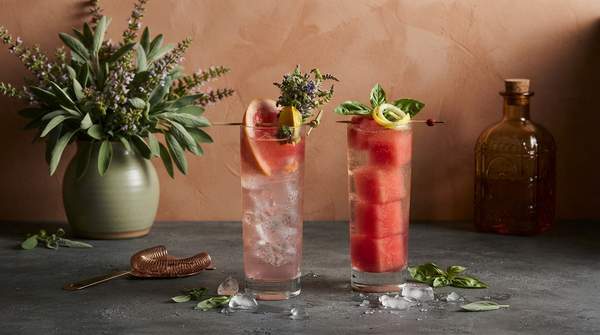
If your non-alcoholic drinks taste like sweet juice in a fancy glass, the fix isn't a better recipe—it's a better pantry. You need exactly four categories of ingredients: a non-alcoholic spirit alternative for the base, a shrub for acidity, a complex syrup for sweetness, and bitters for aromatic depth. Here's how each one earns its place on your shelf.
Beyond Juice: The Foundation of Craft Mocktails
Craft mocktails borrow their whole philosophy from craft cocktails. Writing for A Bar Above, bartender Matt Kelly notes that the craft cocktail movement is founded on fresh juices, housemade syrups, shrubs, tinctures, and artisan brands—and that craft mocktails are no different. The point of a "mocktail" done well isn't to imitate a vodka soda; it's to build the same balance of sweet, tart, herbal, and bitter notes that makes a cocktail interesting to sip slowly. A juice-and-soda pour delivers sweetness and not much else. The four categories below each deliver a different dimension, which is exactly why they work as a team.
Essential Non-Alcoholic Ingredients for Your Home Bar
When I first looked at how retailers package non-alcoholic mixology, one pattern stood out: nearly every curated kit combines the same few ingredient types. The Zero Proof, a retailer specializing in alcohol-free drinks, describes its cocktail kits as featuring "premium zero-proof spirits, mixers, bitters, and everything you need to mix up alcohol-free cocktails." A monthly box from We Are Raising The Bar makes the same argument in product form: its lineup included Ritual Zero Proof Gin Alternative, a Tangry Tangerine Tantrum Shrub Spritz, Portland Syrups Spiced Cranberry Syrup, and bitters. That's not a coincidence—it's a shopping list hiding inside a subscription.
Ingredient Spotlight: Non-Alcoholic Spirits
Every great cocktail starts with a base that carries body and aroma, and a mocktail needs one too. Non-alcoholic spirit alternatives like Ritual Zero Proof Gin Alternative are built to play this role: they mimic the foundational component of traditional cocktails, contributing depth and character rather than just volume. Think of them as the spine of the drink—the thing you build on, rather than a flavor you balance against. Without a base, you're topping up mixers, and the result reads as thin. With one, even soda water gains structure.
Ingredient Spotlight: Shrubs for Acidity and Depth
A shrub is a vinegar-based syrup made from fruit, sugar, and vinegar—and that vinegar is what makes it special. As Marble Distilling's guide to drinking vinegars explains, a plain syrup "adds sweetness to a drink — and only sweetness," while "a shrub adds sweetness and acidity in a single ingredient, creating a more layered, more interesting, more dynamic flavor profile." Bartender Sean Umstead of Kingfisher in Durham put it memorably when speaking to PUNCH in 2020: "Vinegar contains those fermented, microbial phenolics and flavors that build depth, nuance and intrigue into a drink." Shrubs themselves contain no alcohol, and their tart character works beautifully in mocktails—often just lengthened with soda water, as options like Tangry's spritz or the fruit-and-vinegar shrub drinks on Love and Olive Oil suggest.
Ingredient Spotlight: Complex Syrups and Bitters
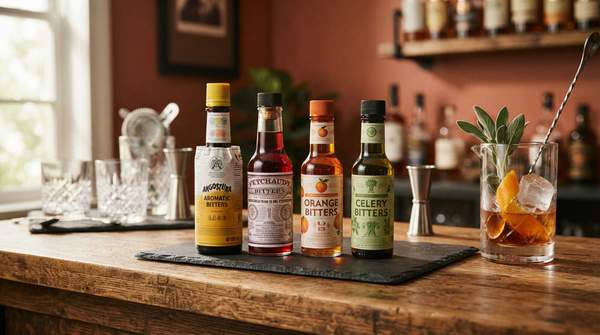
Complex syrups do the sweetening, but they do it with personality. A spiced cranberry syrup from Portland Syrups, for instance, brings warm spice and fruit along with its sugar; Root 23's offerings described by Sharp Eye—Cucumber Habanero, Grapefruit Basil, Pear Rosemary—combine cane sugar with herbs, chiles, and citric acid. These are workhorses: a small dose sweetens while steering the whole drink's flavor. Bitters, meanwhile, are the finishing touch. Kelly's craft mocktail guide pairs Fever-Tree Tonic with woodland bitters from Portland Bitters Project in an "elevated" tonic and lime, showing how a few dashes of aromatic bitterness can make even a two-ingredient drink feel intentional.
Your Essential Non-Alcoholic Cocktail Starter Kit
Use this table to match the flavor you're missing to the ingredient that supplies it—if a drink tastes flat, ask which dimension is absent, then reach for that category.
| Ingredient Category | Primary Flavor Contribution | Role in a Drink | Example Product |
|---|---|---|---|
| Non-alcoholic spirit alternative | Complex, spirit-like character without alcohol | Serves as the foundational base, providing depth and body to build on | Ritual Zero Proof Gin Alternative |
| Shrub | Both sweetness and acidity from its vinegar base | Adds a tart twist and layered depth; pairs well with soda water | Tangry Tangerine Tantrum Shrub Spritz |
| Complex syrup | Sweetness plus specific flavor notes—spice, herb, fruit | Sweetens while steering the drink's overall profile | Portland Syrups Spiced Cranberry Syrup |
| Bitters | Aromatic bitterness and complexity | Balances sweetness and finishes the drink; a few dashes transform simple mixers | Portland Bitters Project woodland bitters |
The reasoning is straightforward: each row covers a different axis of flavor—base, acid, sweet, bitter—so one item per category gives you every lever you need. These brand examples are drawn from the guides and kits above; they're illustrative starting points, not endorsements, and any comparable product in the category will do the same job.
Crafting Balance: The Sweet, Sour, Bitter Framework
Once the shelf is stocked, building a drink becomes a simple loop. Start with a base—your non-alcoholic spirit alternative, or even quality tonic. Add your sweet-and-sour element: a shrub if you want tart and dynamic, a complex syrup if you want warm and rounded, adjusting until neither sweetness nor acidity dominates. Then finish with a modifier—a few dashes of bitters, a garnish, proper ice and glassware, which Kelly emphasizes as part of the experience. Marble Distilling's guide frames the shrub itself this way: done right, it "achieves the ideal balance between tart and sweet."
The beauty of this framework is that it's self-correcting. Taste as you go, name what's missing—too sweet means more acid or bitterness, flat means a richer base or aromatic bitters—and adjust. You're not following recipes; you're balancing dimensions, which is exactly what bartenders do.
Building Your Mocktail Repertoire: Next Steps
Begin assembling your non-alcoholic cocktail starter kit by acquiring at least one item from each essential ingredient category: a non-alcoholic spirit alternative, a shrub, a complex syrup, and bitters. That single shopping trip is the difference between pouring juice and constructing a drink. The measurable indicator of success is a home bar stocked with diverse non-alcoholic ingredients, ready for experimentation—so your next milestone is simple: buy one product from each row of the table above, then build your first balanced drink by tasting and adjusting across the base, sweet-sour, and bitter framework until every dimension is present in the glass.
Sources
- The Ultimate Guide To Craft Mocktails - A Bar Above
- Non-Alcoholic Craft Cocktail Kits — The Zero Proof
- We Are Raising The Bar
- What Is a Shrub? The Complete Guide to Drinking Vinegars, Cocktail Mixers… — Marbledistilling
- Fruit & Vinegar Shrub Mocktails — Love and Olive Oil