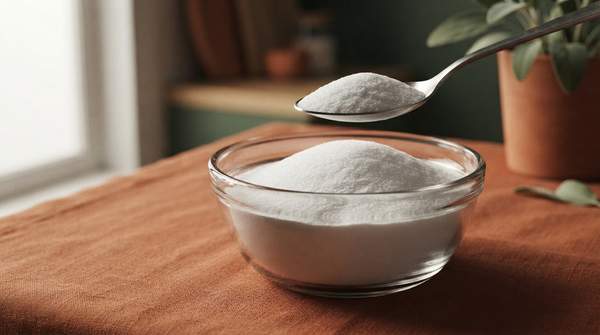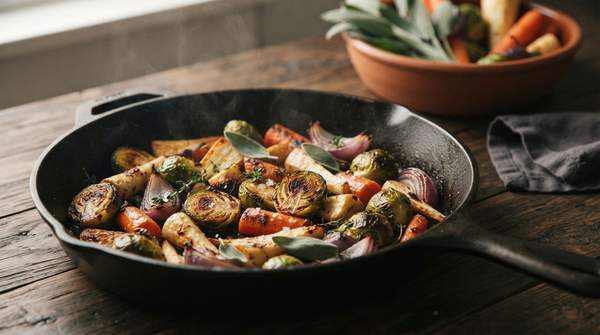
Deep, savory browning on vegetables comes down to three controllable variables: temperature above the boiling point of water, a dry cooking surface, and—when you want to push further—an alkaline environment. The Maillard reaction, the chemical process behind roasted, nutty, toasty flavors, needs all of these conditions to take off, which is why boiled or steamed vegetables stay pale. Once you understand what the reaction requires, you can stop guessing and start deliberately engineering the golden-brown crust that makes roasted vegetables taste far better than steamed ones.
The Science of Savory: Understanding the Maillard Reaction in Vegetables
The Maillard reaction is often mistakenly described as just "browning," but as the team at Modernist Cuisine explains, it deserves the name "the flavor reaction." It is a complex series of chemical reactions between amino acids and simple sugars, and it is responsible for the deep, meaty, roasted, nutty, or toasty flavors that define so much cooked food. The molecules it produces generate the potent aromas we associate with roasting, baking, and frying.
What starts as a simple pairing of amino acids and sugars quickly becomes complicated: the initial products keep reacting in ever more complex ways, generating hundreds of different molecules, most in minute but flavor-significant quantities. Crucially for vegetable cookery, this is not a meat-only phenomenon. As one food chemistry writer puts it, vegetables brown during roasting precisely because they contain both sugars and amino acids—the two reactants the reaction demands. The misconception that Maillard browning is something only meat does keeps many home cooks from pursuing it deliberately in plant-based cooking.
Maillard vs. Caramelization: Two Paths to Browning
Home cooks frequently conflate the Maillard reaction with caramelization, but they are chemically distinct processes. The Maillard reaction requires both amino acids and reducing sugars; caramelization involves only sugar breaking down under heat. A plain sugar syrup heated in a pan undergoes caramelization, not Maillard browning, because there are no amino acids present. The two can happen simultaneously in the same food—roasted carrots, for instance—but they produce different compounds and different results.
Caramelization is the oxidation of sugar, a process used extensively in cooking for its nutty flavor and brown color. As it proceeds, volatile chemicals are released, producing the characteristic caramel flavor, and the reaction involves the removal of water as steam and the breakdown of the sugar. The temperature at which it occurs depends on the sugar: sucrose and glucose caramelize around 160 °C (320 °F), while fructose caramelizes much lower, at 110 °C (230 °F). In practice, when you roast vegetables you are often getting both reactions at once—Maillard compounds contributing savory depth, caramelization contributing sweetness and nuttiness.