You can julienne firm vegetables two ways at home: with a chef's knife, which rewards practice with precision, or with a julienne peeler, which pulls thin matchstick strips off the vegetable in seconds. The knife suits cooks building real knife skills; the peeler gets beginners to uniform strips fast, especially on long, firm produce like carrots and zucchini. Here is how each method works, and how to choose.
Mastering the Julienne Cut: An Introduction for Home Cooks
A julienne cut turns vegetables into thin, matchstick-style strips. It's a classic knife technique used on firm produce such as carrots, zucchini, cucumbers, daikon, and potatoes, when you want pieces that cook evenly and look consistent in salads, stir-fries, slaws, and garnishes. The exact size of julienned pieces can vary by recipe and culinary tradition, but for home cooking, ensuring consistent width and thickness is crucial for even cooking.
The payoff goes beyond even cooking. Julienned vegetables soak up flavors well and make raw preparations look appetizing, even gourmet — which, as registered dietitian nutritionist Lizzie Streit notes, can be half the battle when encouraging vegetable consumption, especially with picky eaters at home. The technique, also known as the French cut, can be challenging and requires patience, but it's a genuinely useful addition to your cooking arsenal.
Method 1: The Classic Chef's Knife Julienne
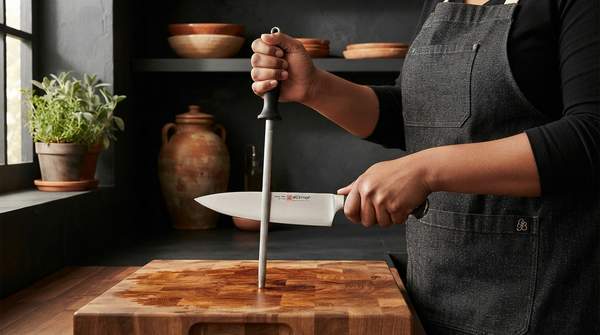
The knife method starts simply: wash and trim the vegetable. From there, the work is about control — producing long, narrow strips of similar width and thickness. Because the julienne cut calls for precision, Escoffier's culinary training materials recommend a quality knife with an ultra-sharp blade, and executing the cut on firmer produce such as root crops, apples, and carrots. Many chefs prefer their chef's knife for julienne cuts, though a sharp utility knife works too.
Be honest with yourself about the learning curve. This technique can be challenging and requires a lot of patience, and the knife demands more skill to keep strips uniform than a peeler does. One home cook who documents hand-julenning puts it plainly: knives don't need to be fancy, but they need to be sharp enough to help you along the way of cutting and chopping. If your first carrots come out ragged, that's normal — consistency comes with repetition, and practice makes perfect.