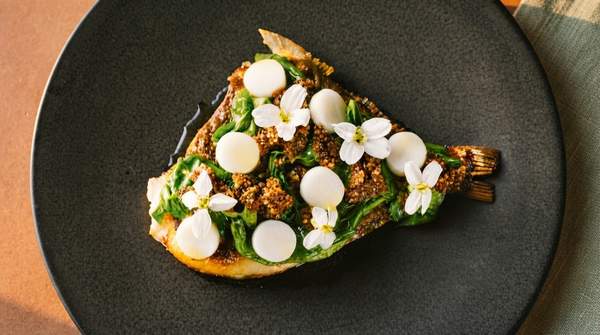
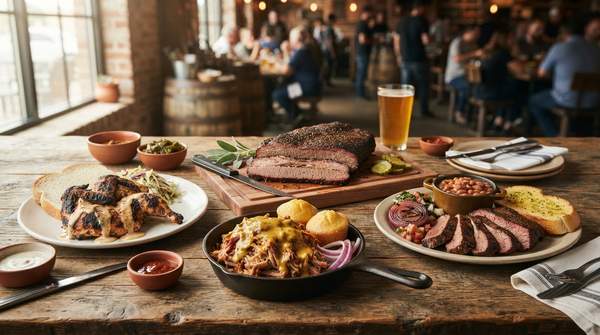
For the first time ever, over half of the top 50 food destinations for 2026 are outside Europe and North America. This isn't just a shift; it's a seismic rebalancing of global gastronomy. While established culinary powerhouses still hog the spotlight, the real innovation and growth in food tourism are exploding in previously overlooked locales. This creates a massive perception gap: historical reputation no longer aligns with where the culinary action truly is. So, if you're chasing genuinely novel and impactful gastronomic journeys in 2026, it's time to rethink your map. The definition of a 'food capital' is expanding, and fast. Your palate is about to get an upgrade beyond standardized fine dining.
The Global Palate's New Compass
Sure, the World Tourism Organization reports some European cities still pull in food tourism revenue. But don't be fooled. The 2026 Top 50 list reveals a dramatic drop in their top-tier representation. Traditional European and North American capitals, clinging to haute cuisine and perceived luxury, are losing ground. Why? Because 'culinary excellence' isn't about Michelin stars anymore. It's about community-driven authenticity and ecological responsibility. Case in point: the highest-ranked spot for 'culinary innovation' on the 2026 list is a remote Southeast Asian region, celebrated for its ancient, hyper-local fermentation and zero-waste practices. This isn't just a trend; it's a full-blown revolution. The old guard's reputation simply doesn't match where true innovation is happening.
Emerging Stars, Bold Flavors
That remote Southeast Asian region isn't just a fluke; it's a beacon. Its ancient fermentation and zero-waste practices are exactly what travelers crave. We're talking indigenous ingredients, time-honored methods – a stark contrast to the bland predictability of standardized fine dining. People are tired of luxury without a story. They want unique cultural narratives, and emerging regions are delivering. This shift empowers local communities and chefs, offering adventurous food travelers truly novel, authentic, and environmentally conscious experiences. Need more proof? Lima, Peru, is hosting The World's 50 Best Restaurants 2026 event (The World's 50 Best). That's a massive endorsement, cementing the global pivot towards authenticity and sustainability.
Beyond Michelin: Redefining 'Food Destination'
Forget the old rulebook. The 2026 Top 50 list shreds it, prioritizing community-driven authenticity and ecological responsibility over Michelin-star prestige. 'Culinary excellence' now means local impact, innovation, and accessibility, not just historical renown. Traditional gastronomic capitals clinging to outdated notions are on a fast track to irrelevance. This isn't just a shift; it's a complete re-evaluation of what makes a food destination truly great. For businesses and tourism boards, the message is clear: invest in local, sustainable food systems in emerging regions. That's where the future of gastronomy lies, far more potent than any replicated luxury model.
Your 2026 Culinary Adventure Starts Now
Ready to truly eat your way around the world? Ditch the usual suspects and embrace these new destinations. Seek out indigenous ingredients and ancient cooking methods for unparalleled culinary adventures and deep cultural immersion. The food industry, from global giants to local joints, must adapt. Focus on sustainable practices and champion local food systems. Even a local shift, like a pizza spot closing in Meridian, Idaho, to make way for a new concept (Idaho Statesman), echoes this broader demand for diverse, evolving offerings. This rebalancing isn't just about food; it's an invitation to explore unique cultural narratives far beyond predictable luxury. The hunger for authentic, sustainable, hyper-local experiences is undeniable.
If current trends hold, the culinary landscape of 2026 will likely be defined by bold, authentic flavors from unexpected corners of the globe, challenging every preconceived notion of gastronomic prestige.
Your Burning Questions, Answered
What are the best cities for foodies in 2026?
New York City still buzzes with a vibrant dining scene (The 38 Best Restaurants in New York City is proof!), but its top-rank representation in the 2026 global innovation index has dipped. Paris and Rome, once haute cuisine titans, also show a relative decrease in culinary innovation compared to surging emerging regions. The 'best' now means more than just a famous name.
How do 'zero-waste practices' impact a destination's culinary ranking?
Massively! Zero-waste practices scream ecological responsibility and ingenious resourcefulness. They often involve innovative ingredient use and traditional preservation, hitting all the right notes for today's sustainable, authentic-seeking traveler. It's a key pillar of the new criteria, emphasizing local impact and environmental stewardship.
What countries are trending for food tourism in 2026?
Look for countries championing indigenous ingredients, ancient fermentation, and hyper-local sourcing. These are often regions with deep agricultural roots and sustainable food traditions, offering unique cultural narratives that adventurous travelers crave. That top-ranked remote Southeast Asian region? It's leading the charge.