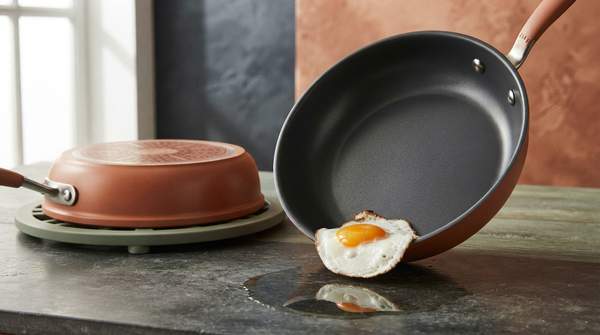
Even 'safer' nonstick pans, like Caraway's ceramic-coated options, begin sticking with regular use, forcing consumers to replace them sooner than expected. This premature deterioration creates a cycle of waste, directly contradicting the sustainability many seek. Consumers increasingly look for non-toxic, eco-friendly nonstick cookware, but many alternatives still have a limited lifespan and contribute to landfill waste. This tension reveals a critical gap between marketing promises and actual environmental impact.
Ultimately, the long-term environmental and financial benefits of truly durable, uncoated cookware—like stainless steel and cast iron—will likely outweigh the convenience of 'safer' nonstick alternatives, making them the superior choice for conscious consumers.
The Hidden Costs of 'Safer' Nonstick Cookware
Caraway's ceramic-coated pans are often marketed as a safer, prettier alternative to traditional Teflon, notes The Guardian. Yet, their nonstick coating deteriorates with regular use, leading to frustrating sticking and premature replacement. Even their boasted 550F oven safety contributes to this wear. The very feature promoted as a benefit paradoxically undermines durability. This means 'safer' ceramic nonstick brands, despite their intentions, often trap consumers in a cycle of waste, contradicting their own sustainability claims.
Why Your Cookware Choices Matter for Health and Planet
Traditional non-stick chemicals like PFAS harm both human health and the environment, warns Davidsuzuki. When coatings like Teflon scratch, they can release toxic fumes, polluting the air and endangering humans and animals. The inherent risk of traditional non-stick chemicals highlights the critical need for genuinely safe and durable alternatives. The implication is clear: choosing cookware free of these pervasive chemicals isn't just a preference, it's a health imperative.
The Gold Standard: Durable, Uncoated Materials
For true sustainability, durable, uncoated materials are the gold standard. Davidsuzuki recommends stainless steel, carbon steel, glass, ceramic, granite, and cast iron. These materials offer inherent durability without temporary coatings; pure stainless steel, for instance, is PFAS-free, confirms GreenPan. The Our Place Titanium Always Pan Pro, with its 1,000F temperature tolerance, exemplifies the robust performance of uncoated options, contrasting sharply with the fragility of 'safer' nonstick coatings, according to The Guardian. The implication here is clear: investing in these materials means choosing lasting quality and genuine health benefits over fleeting convenience.
Beyond Materials: Certifications and Production Impact
Beyond material choice, certifications and production methods matter. Consumers should seek products with at least 'LFGB' certification, a German safety standard, advises The Guardian, offering external verification of safety. GreenPan's production, for example, emits 60% less CO₂ than some conventional nonstick, reports GreenPan. However, even with reduced production emissions, the inherent fragility of 'safer' nonstick coatings often means more landfill waste than truly durable options. The implication: true sustainability requires both responsible manufacturing and products built to last, not just a lower initial carbon footprint.
Performance and Practicality of 'Safer' Coated Options
Some 'safer' coated products do excel in specific applications. Caraway's Large Baking Sheet, for instance, browns food beautifully with a 550F oven tolerance, higher than most, notes The Guardian. Yet, this performance often sacrifices long-term durability of the nonstick coating. The practical implication is that while these items offer temporary convenience, their environmental cost over time can be significant, urging consumers to weigh short-term benefits against long-term impact.
Making Your Sustainable Kitchenware Choice
To choose sustainable cookware, prioritize durable, uncoated materials like stainless steel, cast iron, or glass for frequent use. These offer longevity and consistent performance without coating concerns. If a nonstick surface is essential for specific tasks, select certified brands with transparent production practices, but manage expectations regarding lifespan. The choice boils down to investing in enduring, chemical-free performance or accepting the temporary convenience and environmental trade-offs of coated options.
Common Questions About Sustainable Cookware
What are the most eco-friendly kitchenware materials?
The most eco-friendly kitchenware materials include stainless steel, cast iron, carbon steel, and glass. These options are prized for their exceptional durability and chemical-free surfaces, ensuring a long lifespan and reducing waste compared to coated alternatives.
Which kitchenware brands are sustainable?
Sustainable kitchenware brands often specialize in uncoated materials, such as Lodge for cast iron, or demonstrate transparent manufacturing, like GreenPan's reported 60% reduction in CO₂ emissions. For further exploration, resources like Letsgogreen also highlight brands committed to environmentally friendly practices, guiding consumers toward more responsible choices.
Are bamboo kitchen utensils eco-friendly?
Yes, bamboo kitchen utensils are generally considered eco-friendly due to bamboo's rapid growth and biodegradability. They serve as a renewable alternative to plastic tools, though their durability can vary depending on care and frequency of use.
Invest in Your Health and the Planet
By 2026, if current trends continue, consumers prioritizing durability and health will likely shift away from 'safer' nonstick options, increasingly investing in established, uncoated materials like cast iron from brands such as Lodge, for a truly sustainable kitchen future.