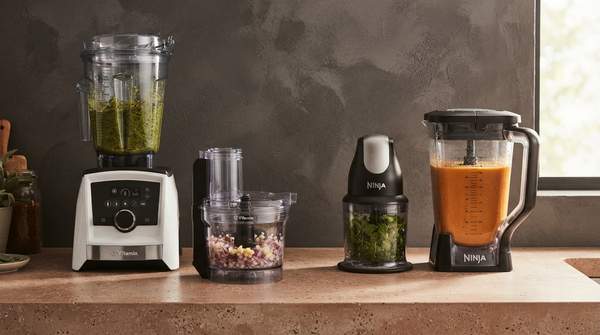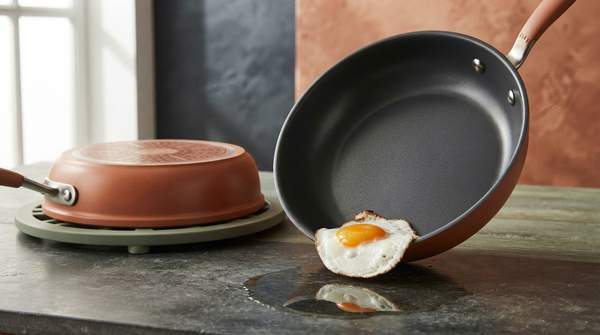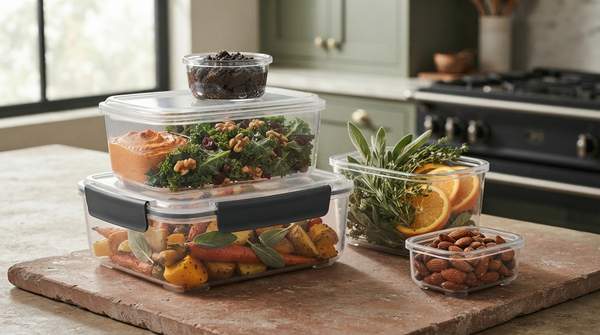
The fastest way to shrink your kitchen's environmental footprint is to match the gadget category to the specific problem you're trying to solve. If single-use plastic is your frustration, reusable storage made of glass, stainless steel, or beeswax-coated cotton is the highest-leverage swap. If energy use is your concern, induction cooking is the standout: Consumer Reports rates induction stoves as up to 10 percent more energy-efficient than conventional electric smoothtops and roughly three times more efficient than gas. And if you want food prep surfaces free of concerning chemicals, natural materials like wood, bamboo, and marble are the recommended alternatives to plastic.
Introduction to Sustainable Kitchens
Sustainable kitchen tools earn their name in two ways, according to Food Huggers' guide to greener meal prep. First, they reduce waste by promoting reuse and minimizing single-use items, so less plastic ends up in landfills. Second, they sidestep a health problem: many conventional tools are made from materials that can leach chemicals into food, while sustainable versions favor natural, non-toxic options like bamboo, stainless steel, and glass.
That dual benefit—less waste and fewer unwanted substances in your meals—is what separates a genuinely sustainable gadget from a trendy one. The David Suzuki Foundation adds a useful historical lens here: many cultures have long traditions of kitchen tools made from eco-friendly materials, chosen for sustainability, durability, and unique properties. Volcanic-rock molcajetes for grinding spices, clay tagines for slow-cooked stews, and wooden chopsticks all predate our plastic era. Sustainability in the kitchen is less an invention than a return.