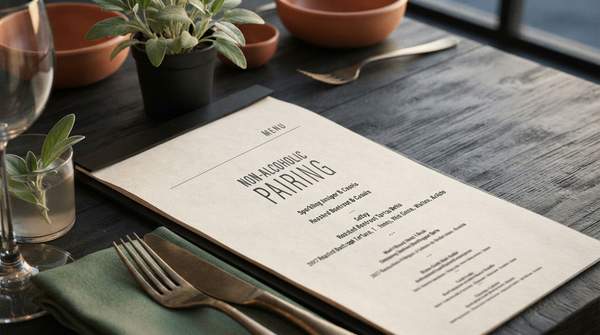
Choosing a non-alcoholic drink that genuinely elevates a meal comes down to one question: does the dish need a mirror or a counterweight? Start with the flavor profile of the food—not the drink—identify whether the meal leans sweet, salty, rich, or acidic, and then pick a beverage that either complements that profile or contrasts with it. That is the same logic sommeliers apply to wine, and as nutrition educator Lila V. explains in her pairing guide, "the same principles that guide wine and cocktail pairings apply to zero-proof drinks." The framework below turns that principle into a practical table you can use at any dinner.
Two Core Strategies: Complementing and Contrasting Flavors
The foundation of pairing is the five basic tastes our taste buds perceive: sweet, sour, salty, bitter, and umami. A Phoenix restaurant writing on flavor pairing illustrates how these interact in a single dish: in a ceviche, the citrus marinade's bright, sour note is balanced by the natural sweetness and savoriness—the umami—of fresh seafood. Once you can name a dish's dominant taste, you can predict what a drink will do to it.
The first strategy is complementing, sometimes called mirroring. You choose a drink that echoes a flavor already in the food, so the two reinforce each other. A non-alcoholic bourbon alongside smoky barbecue is a classic mirroring move: the drink's oak and caramel notes echo the char of the grill. The second strategy is contrasting, or balancing. Here the drink supplies what the dish lacks—acidity against richness, bitterness against sweetness, or sweetness against heat—so each sip resets the palate and keeps the next bite interesting.
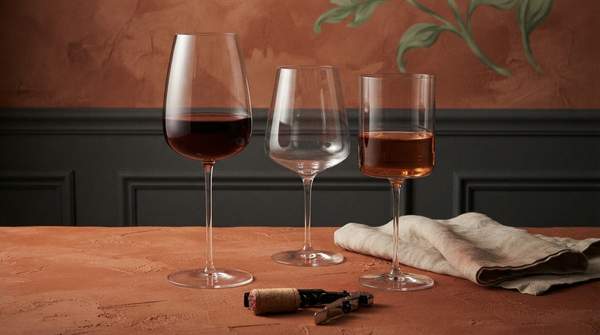
Neither strategy is superior; they simply do different jobs. Complementing deepens and intensifies, which suits dishes you want to savor. Contrasting refreshes and prevents fatigue, which suits heavy, sweet, or fiery dishes. As TÖST's Megan Farrell puts it, the best non-alcoholic drinks with dinner "can do many of the same things we appreciate about wine: complement food, refresh the palate and bring complexity to a meal"—and they don't have to taste like wine to do it.
One caution from the evidence is worth keeping in mind: contrast is not always gentle. TÖST advises that with spicy food you should look for balanced fruit and sweetness rather than excessive bitterness, because bitterness can intensify the perception of heat. A contrast that works with richness can backfire with spice, so the framework below treats those two profiles differently.
Your Non-Alcoholic Pairing Decision Framework
Here is the working tool. Classify your dish by its dominant profile, read across to see whether contrast or complement serves it best, and choose a drink with the matching characteristic. The examples come from pairing guides across the zero-proof category.
| Food Flavor Profile | Pairing Strategy | Desired Beverage Characteristic | Example Non-Alcoholic Drinks |
|---|---|---|---|
| Rich/Fatty (red meat, creamy sauces, burrata) | Contrast | Acidity and carbonation to cut through richness and cleanse the palate | Sparkling non-alcoholic wine, crisp sparkling alternatives to prosecco, kombucha-style acidic botanical drinks |
| Spicy (curries, chili, shawarma, spicy pasta) | Contrast with sweetness, or complement with aromatics | Balanced fruit and sweetness to soothe heat; avoid heavy bitterness, which can intensify it | Fruit-forward sparkling beverages, gently spiced non-alcoholic beer, zesty herbal spritzes |
| Sweet/Dessert (cakes, fruit tarts) | Complement with fruit, or contrast with bitterness | Fruity notes to enhance sweetness, or bitterness/acidity to keep it from becoming cloying | Fruity non-alcoholic wine, bitter non-alcoholic aperitifs, sparkling drinks |
| Citrus/Herbal (salads, lemony seafood, hummus platters) | Complement with matching notes, or contrast with spice | Herbal and citrus echoes, or a bold, zesty counterpoint | Botanical non-alcoholic spirits, herbal-citrus spritzes, non-alcoholic whiskey with spice |
Notice how the reasoning path works for a rich dish: the heavy mouthfeel of a creamy sauce or steak coats the palate, so the drink must supply what the food lacks—acidity and bubbles. Sparkling non-alcoholic wine does exactly that, cutting the richness so the dish feels lighter than it is. If instead you complemented richness with richness, the meal would grow heavy quickly.
Spicy dishes split into two goals. If you want to soothe the heat, contrast it with a fruit-forward sparkling drink whose sweetness calms the burn. If you enjoy the heat and want to amplify the experience, complement it with something bold and zesty—Good Clean Fun suggests a sumac-and-chili spritz alongside spicy cauliflower wings or shawarma. The choice depends entirely on whether you want to mitigate the spice or celebrate it.
Desserts follow the same fork. A fruity non-alcoholic wine mirrors a fruit tart's sweetness, while a bitter non-alcoholic aperitif provides a refreshing counterpoint that keeps sugar from overwhelming. Emma Riva, writing in Table Magazine, offers a useful mental model here: just as there are decaf coffees for people who want the taste without the stimulation, there are alcohol-free aperitifs and digestifs—and a digestif can be very sweet or very bitter depending on what the end of the meal needs.
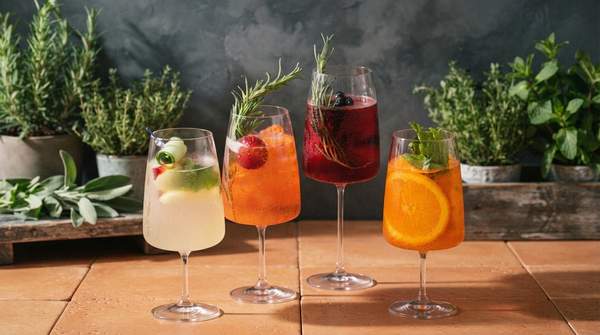
For citrus and herbal dishes, complementing is often the most natural move. An herbal, citrus-forward spritz pairs with Mediterranean dishes like hummus platters or lemony grilled fish, echoing the plate's fresh notes. But contrast is available too: a spiced non-alcoholic whiskey can balance citrus, adding a grounding counterpoint to an otherwise bright meal.
Elevate Your Meal: The Power of Thoughtful Non-Alcoholic Pairings
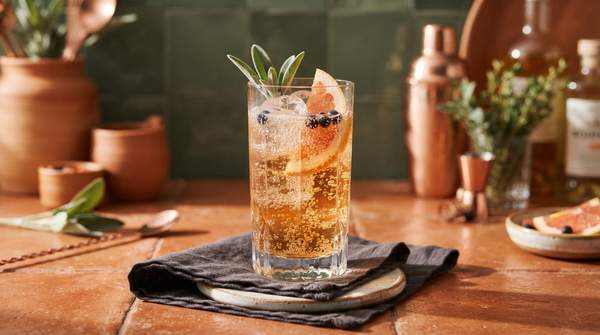
Beyond the basic tastes, the more refined pairings consider intensity, texture, and carbonation. Daisy Cole, writing for Dry Drinker, describes a non-alcoholic IPA whose hoppy bitterness and citrus zest—grapefruit, lemon peel, tropical fruit, balanced by mild malt sweetness—pairs with grilled meats because the grill's caramelization complements the beer's bitterness. That is texture and intensity matching, not just taste matching, and it is where zero-proof pairing starts to feel like fine dining rather than substitution.
Complexity matters for the same reason it matters in wine. A single-note soda can flatten a layered dish, while a botanical aperitif or a sparkling tea brings its own aromatic range to the table. TÖST notes that sparkling beverages are especially convenient for hosts: they can be chilled, opened, and poured just like wine, without building individual mocktails—which makes them a practical default for dinner parties where some guests aren't drinking.
The decision, then, is simple: readers should actively apply the complement and contrast principles to their non-alcoholic beverage choices to enhance their dining experiences. The measurable indicator of success is that the reader identifies a food's flavor profile and selects a non-alcoholic drink that demonstrably improves the meal's overall taste harmony or complexity. Try it on your next plate of pasta—Better Rhodes suggests a crisp non-alcoholic white with creamy pasta, or a gently spiced beer with tomato-based dishes—and judge the result by whether the pairing makes the second bite better than the first.
Sources
- Menus in Phoenix: The Art and Science of Flavor Pairing — Industry Standard | Craft Cocktails & Diverse Dining | Phoenix, AZ
- Best Non-Alcoholic Drinks With Dinner — TÖST
- Sober January? Here’s How to Pair Food with Non-Alcoholic Drinks at Go — Good Clean Fun
- Your Guide to Pairing Non-Alcoholic Drinks with Food — Table Magazine
- Non-Alcoholic Drink and Food Pairings You’ll Love — Dry Drinker
- Pairing Non-Alcoholic Drinks with Food: Myths, Tips & Recommendations — Better Rhodes