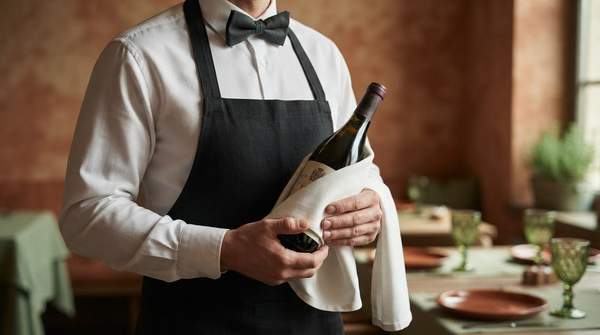
A sommelier is far more than a wine waiter with a corkscrew. According to the Court of Master Sommeliers Americas, the profession's certifying body, a sommelier curates wine lists, coordinates food pairings, facilitates wine education, and is often responsible for the entire beverage selection — beer, sake, spirits, and cocktails included. The practical takeaway for you as a diner: this is a trained professional whose entire job is to make your meal better, and the single most useful thing you can do is share three pieces of information — what you're eating, what you like, and what you want to spend.
Beyond the Bottle: Understanding the Sommelier's Full Role
The word "sommelier" once meant little more than "wine steward," but the modern role is considerably broader. A general reference definition describes the sommelier as a trained and knowledgeable wine professional working in fine restaurants who specializes in all aspects of wine service and wine-and-food pairing — a role that, per Sommeliers Australia, is strategically on par with that of the chef de cuisine. That comparison matters: it tells you the sommelier is not junior sales staff but a senior decision-maker in the restaurant.
The Court of Master Sommeliers Americas puts it plainly: "There's so much more than recommending wine." Their description of the role emphasizes that wine selection is critical to a restaurant's success — the list must not only feature exciting wines but actually sell, and pairing suggestions are designed to enhance the flavors of the dishes being served, leaving guests with an experience they remember. For diners, this means the person approaching your table arrives with deep knowledge of both the menu and the cellar behind it.
The Sommelier's Hidden Responsibilities: Curating and Managing
Most of a sommelier's expertise is built off the floor. They may be responsible for developing the wine list and for delivering wine service and training to other restaurant staff, working alongside the culinary team to pair wines with each menu item. Le Cordon Bleu's career guide adds that the role includes managing cellars to keep track of deliveries, wine storage, and stock levels.
Why should this matter to you as a diner? Because every recommendation you receive is backed by this infrastructure. The sommelier knows which bottles are actually in the cellar tonight, which ones were chosen to suit this kitchen's food, and which the staff has been trained to serve well. When you ask for a suggestion, you're drawing on curated inventory and deliberate pairing decisions — not a guess from a laminated list.