
All Stories
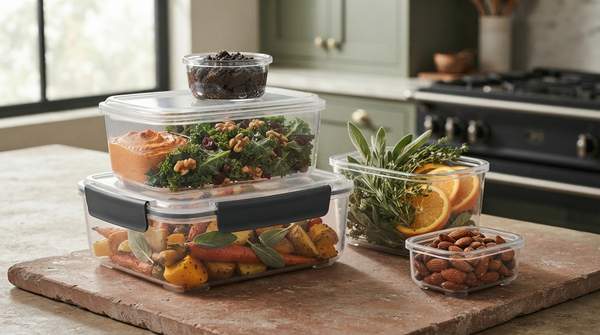
Which Sustainable Kitchen Gadgets Actually Match Your Goals? A Category-by-Category Comparison
Choosing sustainable kitchen gadgets effectively means aligning them with your specific environmental goals, whether that's reducing plastic waste with reusable storage, cutting energy use with efficient appliances, or ensuring non-toxic food prep with natural materials.

5 Reasons Tylers Coffees Keeps Coffee Lovers With Sensitive Stomachs Loyal
For many coffee lovers, a sensitive stomach can turn a beloved morning ritual into a source of discomfort, heartburn, or acid reflux. The choice often seems to be between giving up coffee entirely or enduring the consequ…
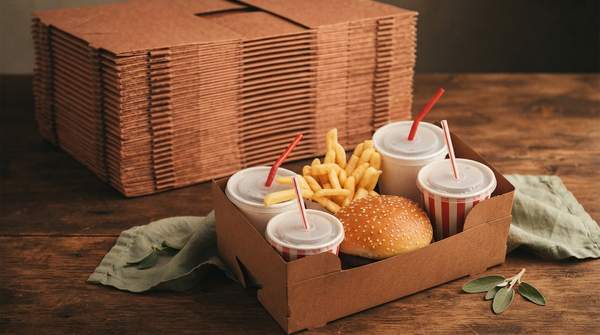
Paperboard Trays Beat CPET and rPET on Climate Impact—In One Specific Life Cycle Assessment
A Life Cycle Assessment found paperboard trays with PET coating have a lower climate impact than CPET and rPET plastic trays, a scientific finding that contrasts with subjective consumer perceptions and underscores the need for evidence-based packaging choices.
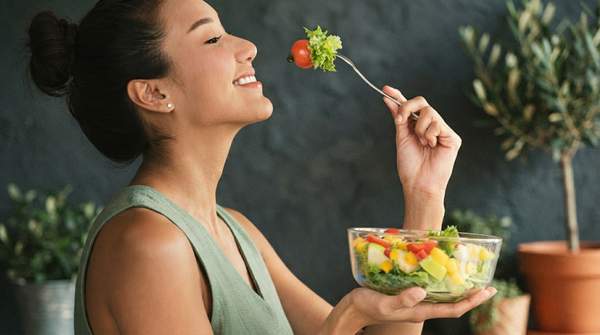
Mindful Eating, Not Dieting: A Practical Framework for Changing How You Relate to Food
Mindful eating emphasizes paying non-judgmental attention to the experience of eating, shifting focus from restrictive dieting outcomes to the process itself. This practice fosters a calmer psychological relationship with food and improves physiological awareness of hunger and fullness cues.
Why Natural Sweeteners Don't Bake Like Sugar — and How to Choose One That Works
Natural sweeteners are not simple one-to-one replacements for sugar in baking, as sugar performs crucial roles in texture, browning, and moisture. Understanding the unique properties of different natural sweeteners and making specific recipe adjustments is key to successful baking outcomes.

Acid or No Acid? How to Choose Between Baking Soda and Baking Powder
Choosing between baking soda and baking powder hinges on whether your recipe contains acidic ingredients. Baking soda requires an acid to activate, while baking powder includes its own acid, making it versatile for various batters.
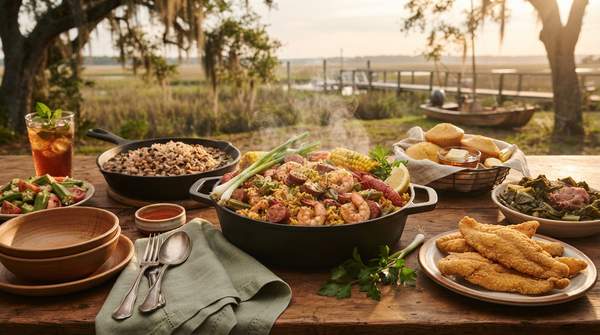
How West African, European, and Native American Traditions Created Lowcountry Cuisine
Lowcountry cuisine is a unique culinary tradition born from the fusion of West African, European, and Native American foodways, adapted to the coastal landscape of South Carolina and Georgia. This creolized foodway represents a synthesis of ingredients and techniques, not a simple sum of borrowed dishes.
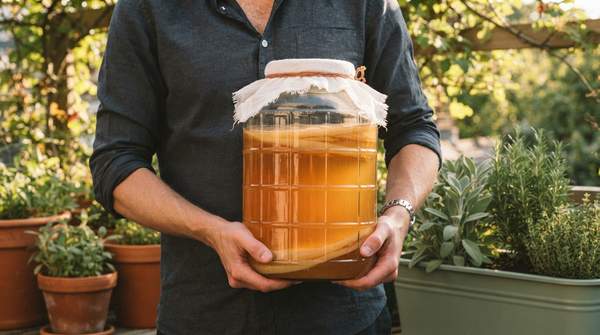
Brewing Kombucha at Home: A Safe First Batch, Step by Step
Learn to safely brew your first batch of kombucha at home by following step-by-step instructions that prioritize temperature, acidity, and cleanliness. This guide covers first fermentation, safety checks, troubleshooting, and second fermentation for flavor and carbonation.
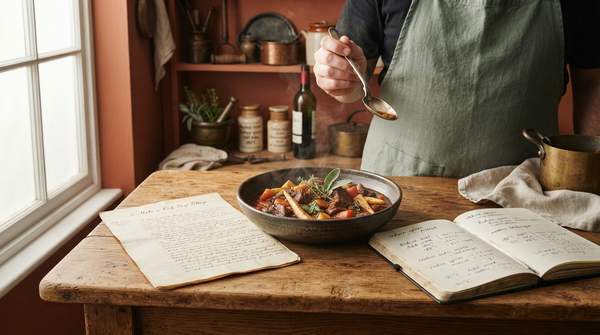
How to Adapt a Historical Recipe: A Decision Framework for Cooking From the Past
Adapting historical recipes involves research, interpretation, and a deliberate decision framework to balance authenticity with modern palates. This process requires understanding archaic language, substituting obsolete ingredients, and modernizing techniques.
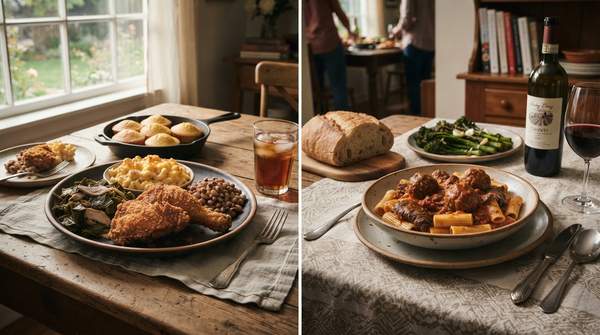
Two American Sunday Dinners, Two Very Different Histories
The American Sunday dinner encompasses distinct traditions, with the Southern/African American and Italian-American versions originating from vastly different historical experiences of resilience, community, and arrival.

Wauwatosa Village Unveils 'Sip Thursdays,' Milwaukee County's Inaugural Social District
Wauwatosa Village has launched "Sip Thursdays," Milwaukee County's first Temporary Designated Outdoor Refreshment Area (TDORA). This trial program allows visitors to purchase alcoholic beverages from participating establishments and enjoy them in designated public spaces and select retail shops.
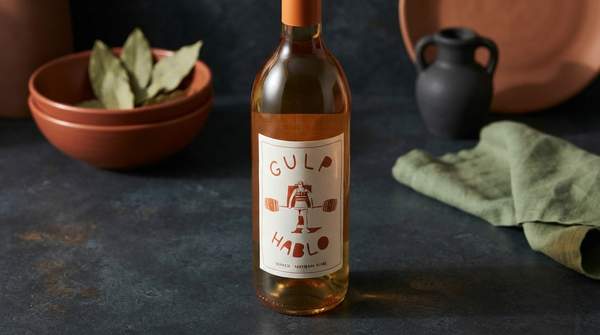
Orange, Pét-Nat, or Biodynamic? How to Tell Natural Wine's Big Three Apart
Orange wine, pét-nat, and biodynamic wine are often confused, but they represent distinct categories: a fermentation technique, a sparkling style, and a farming philosophy. Understanding these differences demystifies natural wine labels.
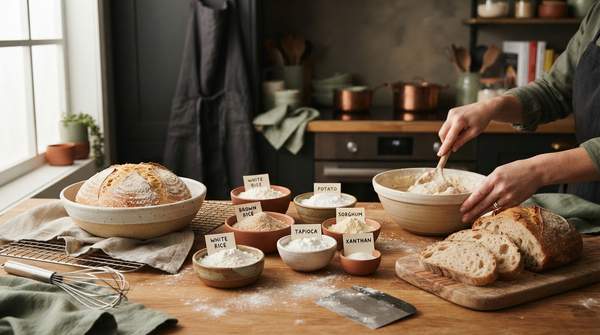
Mastering Gluten-Free Baking: Choosing Flours for Perfect Textures
Master gluten-free baking by understanding the unique properties of individual flours and starches. Learn how to select ingredients to achieve specific textures, from chewy cookies to light cakes and crisp crusts.
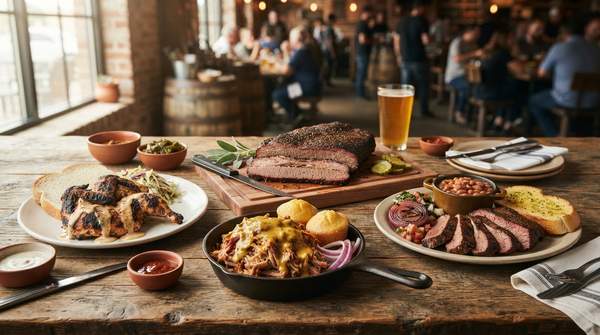
Discovering America's Distinct BBQ Styles for Culinary Travelers
Explore America's diverse regional BBQ traditions, from Alabama White and Santa Maria to South Carolina Mustard and Central Texas Post Oak, to plan your next culinary adventure. Understanding the unique meats, sauces, and cooking methods of each style enriches your travel experience.
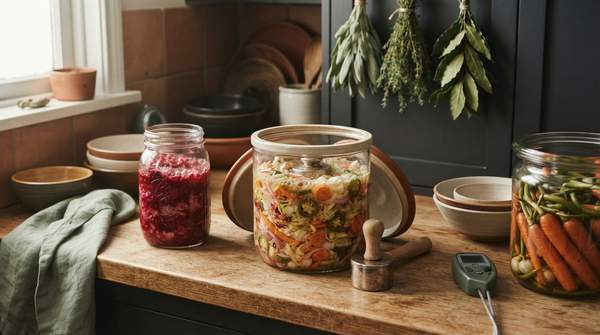
Beyond Sour: How to Steer the Flavor of Your Homemade Ferments
The flavor of homemade ferments is not a matter of chance but can be actively guided by understanding microbial processes. By manipulating key variables like temperature and pH, home cooks can steer the development of complex, desirable tastes beyond simple sourness.
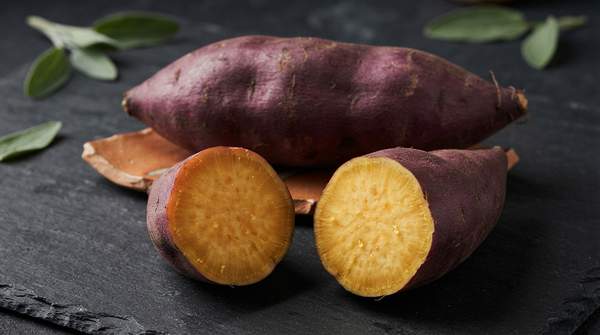
Why Boiled Sweet Potatoes Are Better for Blood Sugar Than Baked
The cooking method for sweet potatoes dramatically affects their impact on blood sugar. Boiling results in a lower glycemic index compared to baking or roasting, making it a preferable choice for blood sugar management.

Top 8 Budget-Friendly Kitchen Tools Chefs Recommend for 2026
Despite a market flooded with premium kitchenware, Bon Appétit identifies the Goldilocks 7-Piece Cookware Set as the best budget option for 2026.

Two Colorado Springs Restaurants Earn Bib Gourmand in MICHELIN Guide
Hold onto your hiking boots, Colorado!
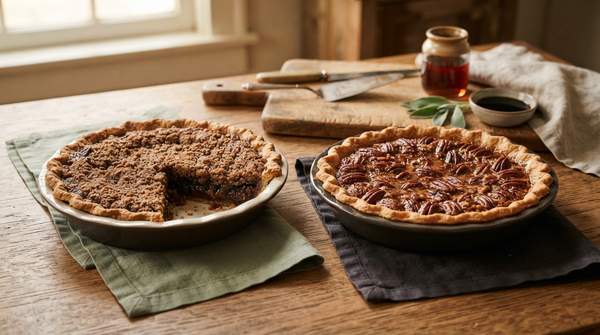
How Local Ingredients Shaped Pennsylvania's Shoofly and New England's Maple Pies
Regional American pies, such as Pennsylvania's Shoofly Pie and New England's Maple Pie, are prime examples of culinary adaptation, directly shaped by the specific local ingredients and cultural traditions of their origins. These distinct desserts offer a taste of history, reflecting the ingenuity of settlers and the agricultural bounty of their landscapes.
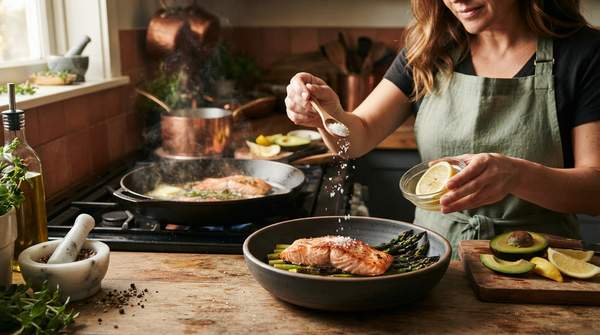
Mastering Flavor Balance: A Practical Guide to Salt, Fat, Acid, and Heat in Home Cooking
Mastering Samin Nosrat's framework of salt, fat, acid, and heat is key to elevating home cooking. Understanding these four fundamental elements empowers cooks to identify and correct flavor imbalances, moving beyond recipes to create delicious, balanced meals with confidence.

Why Affluent Foodies Embrace Luxury Foraging
As wild spaces dwindle, the act of plucking a mushroom from the forest floor has transformed into a luxury experience, increasingly sought after by the middle and upper classes.

Carob Flour Breakthrough Improves Gluten-Free Pasta
Using 20% carob flour in gluten-free pasta yields the best overall results, marking a significant leap in texture, nutrition, and consumer acceptance, according to FoodNavigator .

New Jersey Governor Signs Permanent To-Go Alcohol Law
On August 28th, New Jersey Governor Mikie Sherrill signed legislation making the sale of alcoholic beverages 'to go' a permanent fixture, a significant development for the state's hospitality sector.

Smith & Jones Opens First Sarasota Location, New Upscale Dining
Reservations for the first week at Smith & Jones Steakhouse, a renowned New York City establishment opening its first Florida location in Sarasota, are already 70% booked, signaling an immediate and i